
I’ve spent more than ten years working on small four-stroke engines—pit bikes, trail bikes, minis, and the occasional project that arrives in a box with optimism holding it together. Somewhere along the way, the nibbi carb became a regular visitor to my workbench. Not because I sought it out, but because riders kept showing up with one already installed, usually saying the same thing: “It runs better than before, but something still feels off.”
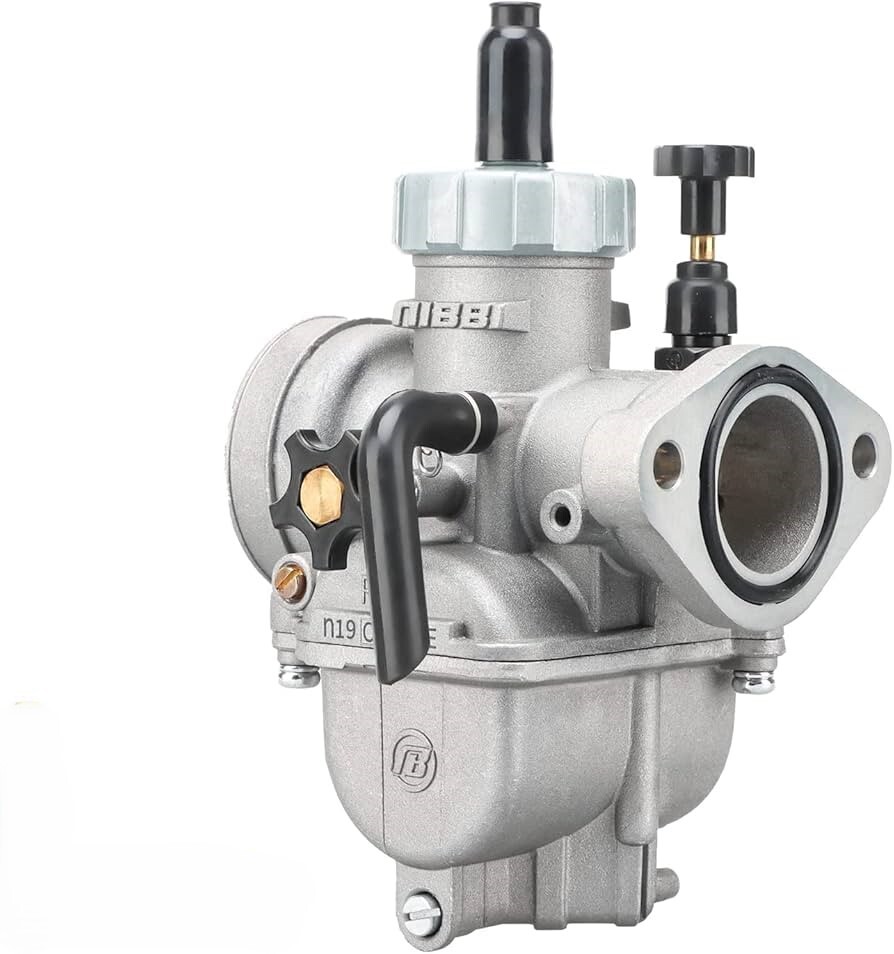
That “something” is where experience matters.
How Nibbi carbs usually enter the picture
Most Nibbi carbs I see aren’t installed on stock machines. They show up after an intake change, a mild engine build, or a rider getting frustrated with a factory carb that feels lazy. The first time I worked on one was on a small trail bike that had decent top-end pull but felt awkward around town speeds. The owner thought the carb was defective.
It wasn’t. The slide moved smoothly, machining was clean, and the casting didn’t raise any red flags. The issue was that the carb was oversized for how the bike was actually being ridden. Once downsized and tuned properly, the bike stopped feeling nervous and became enjoyable again.
What a Nibbi carb does well
In my experience, Nibbi carbs deliver consistent throttle response once they’re dialed in. The slide action is predictable, and the carb body tends to hold adjustment better than some of the bargain alternatives I’ve worked with. On engines that already breathe better than stock, a properly sized Nibbi carb can sharpen response without making the bike temperamental.
I’ve run them on shop bikes that see constant cold starts and short rides. That kind of use exposes weak idle circuits quickly. When set up right, these carbs handle that abuse better than many people expect.
Where riders get themselves into trouble
The most common mistake is assuming bigger is better. I see it constantly. Someone installs a large Nibbi carb expecting instant performance gains, only to end up with poor low-RPM manners. Small engines rely heavily on air velocity. Too much carb kills that.
Jetting assumptions are another problem. Many riders treat factory-installed jets as a final answer. They’re not. Altitude, exhaust choice, engine wear—all of it matters. I’ve corrected lean conditions on “brand new” Nibbi carbs that were quietly cooking engines without obvious warning signs.
Cable setup causes more issues than people realize. A smooth slide doesn’t help if the throttle cable is routed poorly or adjusted too tight. I once spent half an hour chasing an erratic idle before realizing the cable was pulling slightly at full steering lock.
A real-world tuning moment
Last season, a customer brought in a pit bike that felt aggressive but tiring to ride. It snapped hard off idle and surged at steady throttle. After riding it myself, I recognized the problem immediately. The needle position didn’t match how the engine was being used.
A small adjustment calmed the bike down without dulling it. The owner later told me it felt faster simply because it was easier to ride smoothly. That’s a result I trust more than peak RPM gains.
When I recommend a Nibbi carb
I recommend a Nibbi carb to riders who are willing to tune—or have someone tune—for their setup. It rewards attention. Once sorted, it usually stays sorted.
I hesitate when someone wants a zero-maintenance solution. A factory carb is often better for that role. The Nibbi carb isn’t difficult, but it expects a bit of mechanical awareness in return.
Long-term behavior in the shop
The Nibbi carbs I see come back for routine service usually haven’t drifted far from their original tune. Slides wear normally. Gaskets hold up. Idle stability remains good if the engine itself is healthy.
The problem cases almost always trace back to mismatched sizing or unrealistic expectations. No carburetor fixes poor compression or tired valves.
Perspective after years of use
From where I stand, the Nibbi carb is a solid option—not a shortcut. It doesn’t mask mistakes. It highlights them. When installed thoughtfully and tuned with patience, it can make a small engine feel cleaner, sharper, and more cooperative.
When rushed or oversized, it simply exposes habits that were already there.
